The story behind MySoundLib
How a designer turned video editor and production lead built MySoundLib, a sound library manager you buy once, with no subscription.
I didn’t plan to build software. I planned to edit videos faster.
From design to the edit bay
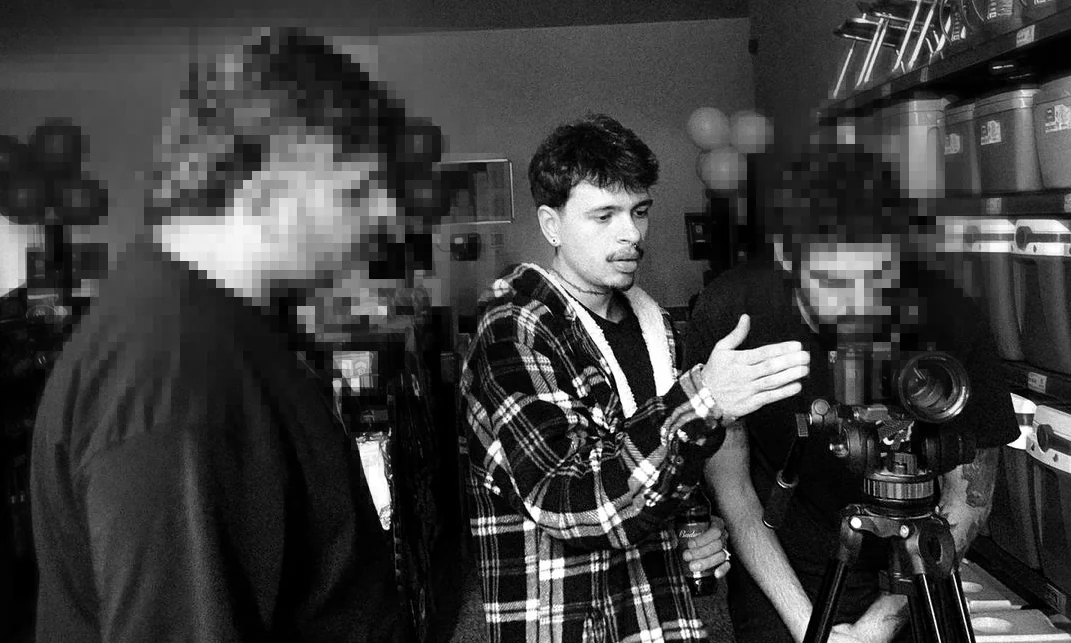
I started out as a designer. Somewhere along the way I moved into video editing, and from there into leading audiovisual production teams. The part of that job I liked most wasn’t always the editing itself. It was figuring out how to make production work: building the internal systems and processes that let a team deliver on time, every time.
The best example is the local TV commercials we produced. One commercial had to be finished and sent out every single day. That meant a system with many people, clear handoffs and no room for “we’ll fix it tomorrow”. It ran for two years straight. That experience taught me something I still believe: a good process beats good intentions.
The tech itch
I’ve always been curious about technology and programming, mostly because of games. I wanted to make them, and that curiosity kept pulling me toward code even while my day job was video. I never stopped tinkering. I just hadn’t found the right problem yet.
The problem I kept ignoring
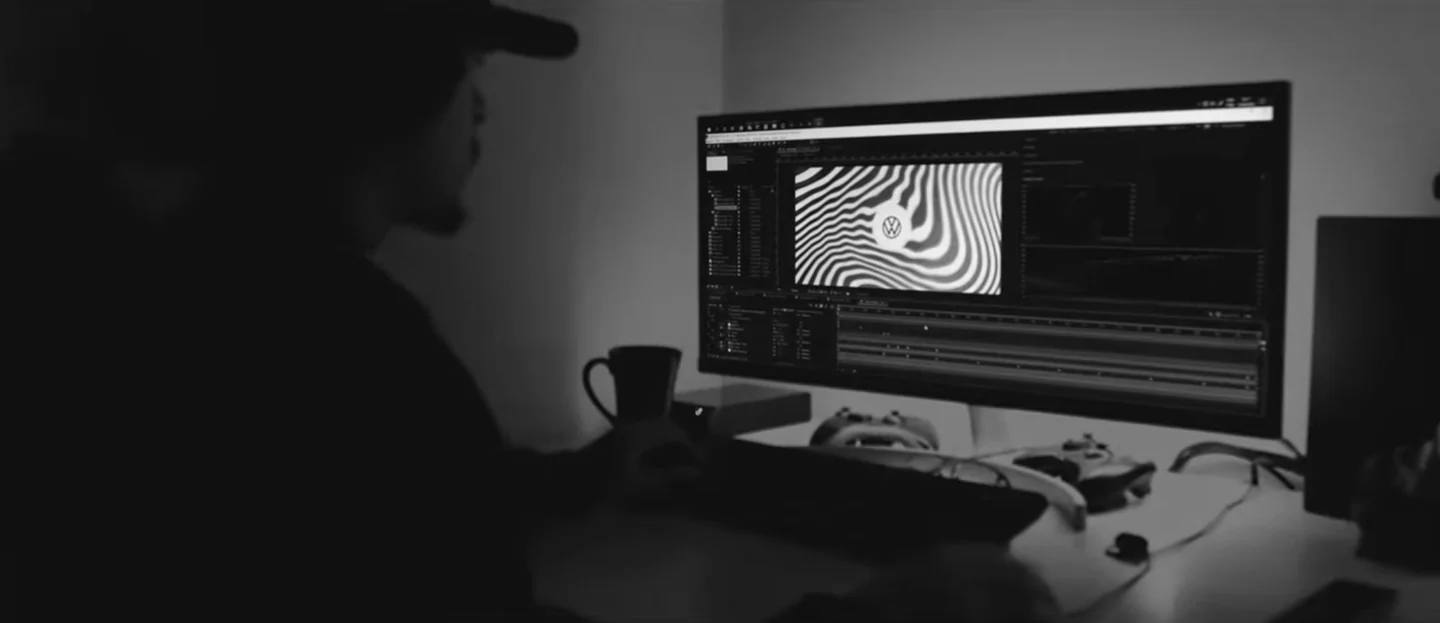
Sound design was always the last thing I did on a project. Not because I didn’t care, but because finding sounds was painful.
The irony is that I had access to enormous sound packs online. Gigabytes of effects, free and paid. But I had no place, method or tool to organize them in a way that fit how I actually work. So the packs sat in folders I never opened, and I ended up relying on subscription sound banks and their limited tools. When I was tired and the deadline was close, I’d settle for a handful of sounds out of pure impatience. My videos were quieter than they should have been, and it was my own fault.
So I started building
In the first half of 2026 I started studying, looking for a way to build a tool that would fix this for me.
It began small. Then I noticed something: I was adding features I had never seen in any tool like this, and at the same time cutting everything I considered unnecessary in the ones that already existed. Every time I opened a heavy sound manager, I felt the weight of features I’d never touch. I wanted the opposite.
Then my editing colleagues saw it and asked if they could use it too.
From my tool to a tool for editors
That’s when I started thinking bigger. If it helped me and the people around me, other editors would benefit as well.
But I had a rule from the start: no subscriptions, and no outrageous price. I was inspired by the old-school way of buying software. You get it once and it’s yours for life.
So I went back through everything with new eyes. I hunted down every gap and every rough edge, reworked the UI and UX, and added more features. The goal was the maximum potential, while staying simple. I didn’t want to build one of those sound management programs that takes sound designers months to get used to. You should be able to open it and just start working.
None of that was quick. Getting from a first version to something I’d trust in the middle of a real edit took months of work: optimizing performance, finding the right tools for the job (AI included), and refining the usability until it felt natural. Over and over I tested it, rewrote it and threw parts away, always asking the same question: would I actually use this?
Where it is now
MySoundLib is the tool I wish I’d had years ago: your own sound library, built for video editing, that gets out of your way so you can keep editing.
If you edit videos and sound design always ends up last on your list, I built this for you.